
Paint Sprayer vs. Roller: Which Saves More Paint and Time?
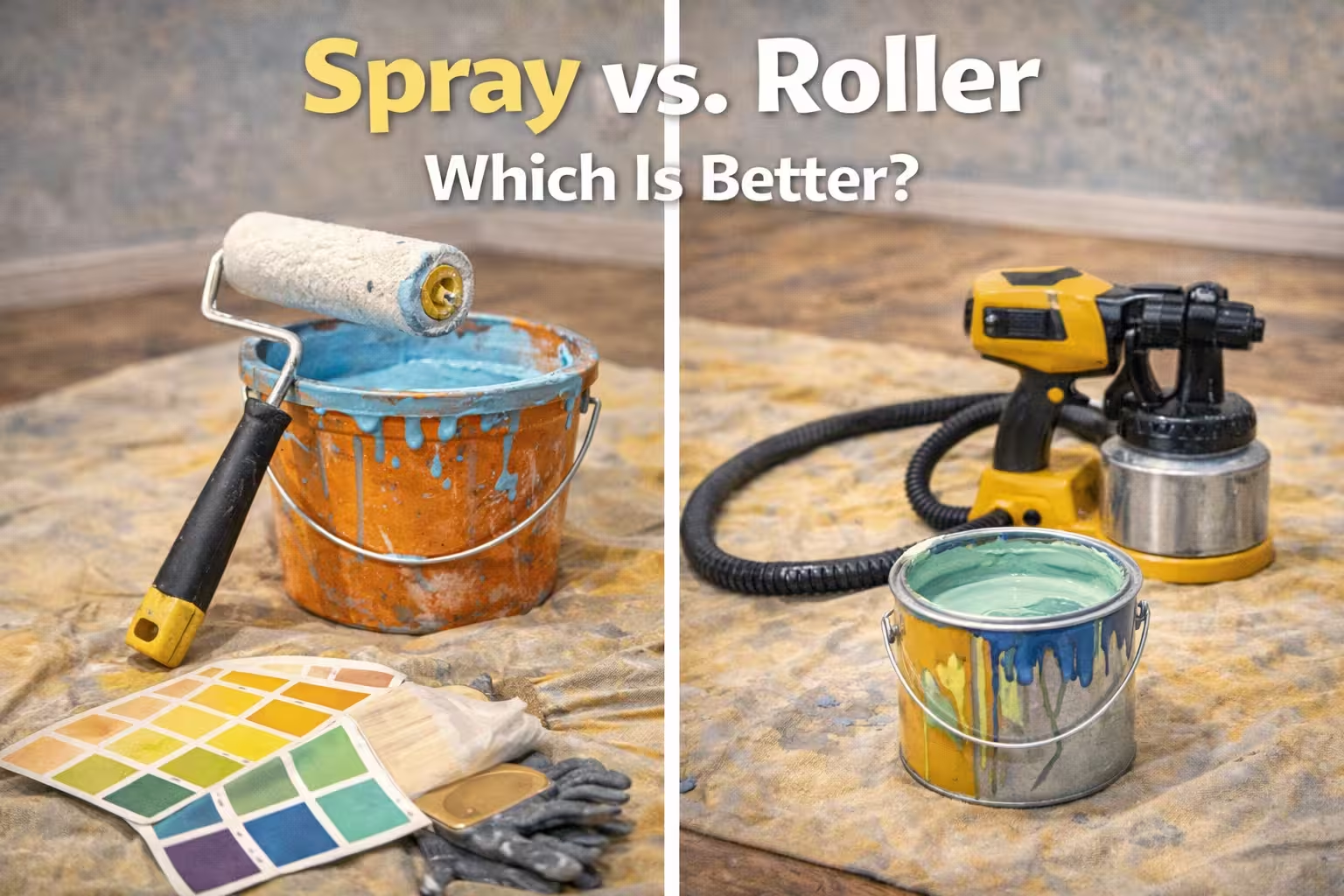
Painting sounds simple, but decisions like tool choice make a big difference in paint use, time spent, and overall cost. Many assume a paint sprayer always saves time and paint. The truth is more nuanced. According to my point of view, a paint sprayer usually uses about 25–33% more paint than a roller, primarily due to overspray and lower transfer efficiency. That means more paint is wasted in the air or on drop cloths rather than on your walls when using a sprayer.
In this guide, we’ll break down:
- How does paint usage compare between the sprayer and the roller
- Time requirements for both methods
- Cost tradeoffs, including calculations with tools like the Paint Cost Calculator and the painting estimate calculator
- Real-world examples and practical tips
By the end, you’ll know which tool is right for your project and how to plan better.
How a Sprayer and Roller Work:
Before comparing paint use and time, let’s know how each tool applies paint.
How a Paint Sprayer Applies Paint:
Sprayers atomise paint into tiny droplets that are propelled onto a surface. This results in a smooth, even coat and rapid coverage over large areas. However, some of the paint becomes overspray, tiny particles that miss the surface and float into the air.
How a Roller Applies Paint:
Rollers absorb paint and transfer it directly to the surface with the least waste. A well-loaded roller distributes most of the paint where you want it without atomization or mist drifting away.
Paint Usage: Sprayer vs. Roller
We’re going to differentiate paint usage with the sprayer and roller.
Typical Paint Consumption:
- Paint Sprayer: Often uses 25–33% more paint than rollers because some paint becomes overspray or settles on protective coverings instead of on the wall.
- Paint Roller: Transfers a high percentage of paint directly to the surface, minimizing waste.
If a room needs 9 gallons of paint rolled on, the same room might require 12 gallons when sprayed due to inefficiencies. This adds up quickly in bigger projects. Using a Paint Cost Calculator or a painting estimate calculator before buying paint helps you avoid runs to the store and budget surprises by accounting for tool-specific paint use.
Time Savings and Prep Work:
Do you want to save your time and prepare yourself for work quickly? If yes, read this blog and learn how to manage.
Speed of Painting:
Paint sprayers cover large, open areas faster than rollers. The spraying process itself is quick once everything is ready.
However, prep work for sprayers is significantly more intensive:
- Cover furniture and floors
- Mask windows, trim, and outlets
- Protect areas where paint mist should not land
Relying on the room and how much needs masking, prep time can easily add hours to your job. With rollers, setup is simple:
- Place drop cloths
- Load paint tray
- Start rolling
Cleanup Time:
Sprayers require thorough cleaning to prevent clogs, especially when switching colours or finishing a session. Rollers and trays are far simpler to clean, usually just rinsing and storing.
Finish Quality:
Sprayers deliver a smooth, uniform finish, especially useful on detailed trim, cabinets, or large flat surfaces. However, the mist makes overspray more likely on floors and fixtures if not fully protected. Rollers tend to leave a slight textured finish, which many homeowners prefer on interior walls. Rollers also make it easier to control thickness and avoid drips. In many DIY and renovation scenarios, roller finishes are adequate or even preferred because they balance quality with simplicity.
Real Project Scenarios:
These scenarios will provide you best guidelines and prepare you.
Scenario 1: Living Room Interior
- Room Size: 200 sq. ft.
- Sprayer: Required significant taping and covering for furniture
- Outcome: Faster paint application, but ~30% more paint used
- Roller alternative: Lower paint use and easier setup
In furnished interior spaces, rollers save time overall because less prep is needed.
Scenario 2: Exterior House Siding:
- Large flat surfaces
- Prep simpler outdoors
- The sprayer saved many hours
- Paint waste was higher, but the time saved outweighed the paint cost
Sprayers shine on large, open surfaces.
These examples show why a painting estimate calculator is valuable: it helps test scenarios for paint, labor time, and tool efficiency before starting.
When to Use a Sprayer:
Sprayers are best when:
- You are painting large surface areas
- The space is empty or outdoors
- A smooth finish is a priority
- You can devote time to prep and cleanup
Professional painters often choose sprayers on jobs like exterior siding, doors, and cabinets because of speed and finish quality.
When to Use a Roller:
Rollers are better when:
- Paint efficiency is critical
- The space is furnished or occupied
- You have minimal prep time
- The walls don’t require ultra-smooth finishes
For most DIY home projects, rollers strike a balance of ease, control, and lower paint usage.
Hybrid Approaches: Best of Both Worlds
Some professionals spray large flat areas and then use a roller for edges and touch-ups. This technique can reduce paint waste and still capture speed benefits on big surfaces. Hybrid approaches often appear in interior and exterior work where both precision and efficiency matter.
Cost Comparison:
Here’s a simplified cost breakdown for a typical 400 sq. ft. room:
| Method | Approx. Paint Used | Tool Cost | Prep Time | Cleanup |
| Sprayer | ~12 gallons | High (rental or purchase) | High | High |
| Roller | ~9 gallons | Low | Low | Low |
Tools like Paint Cost Calculator and painting estimate calculator help you plug in variables like paint price, room size, and expected waste to find the most cost-effective plan.
Common Misconceptions:
- Sprayers Always Save Time: Making and cleanup often offset spraying speed.
- Rollers Are Too Slow: Rollers are fast enough for many task sizes, especially when sped up with good technique.
- Sprayers Waste Paint Too Much: Modern technology, like HVLP sprayers, can improve efficiency, but some overspray is inevitable without skill.
Conclusion:
Rollers generally use less paint than sprayers, often reducing paint consumption by about 20 to 33 percent. While paint sprayers can apply paint more quickly once everything is set up, the additional time required for masking, preparation, and clean up often offsets that speed advantage. From a budget standpoint, rollers usually cost less overall because they require fewer tools and use less paint. In the end, the best choice depends on the size of the project, the condition of the space, and the type of finish you want to achieve. Using tools like the Paint Cost Calculator and painting estimate calculator helps you make an accurate, data-backed decision before spending a drop of paint.