
What Is the Average Cost to Paint a House Interior?
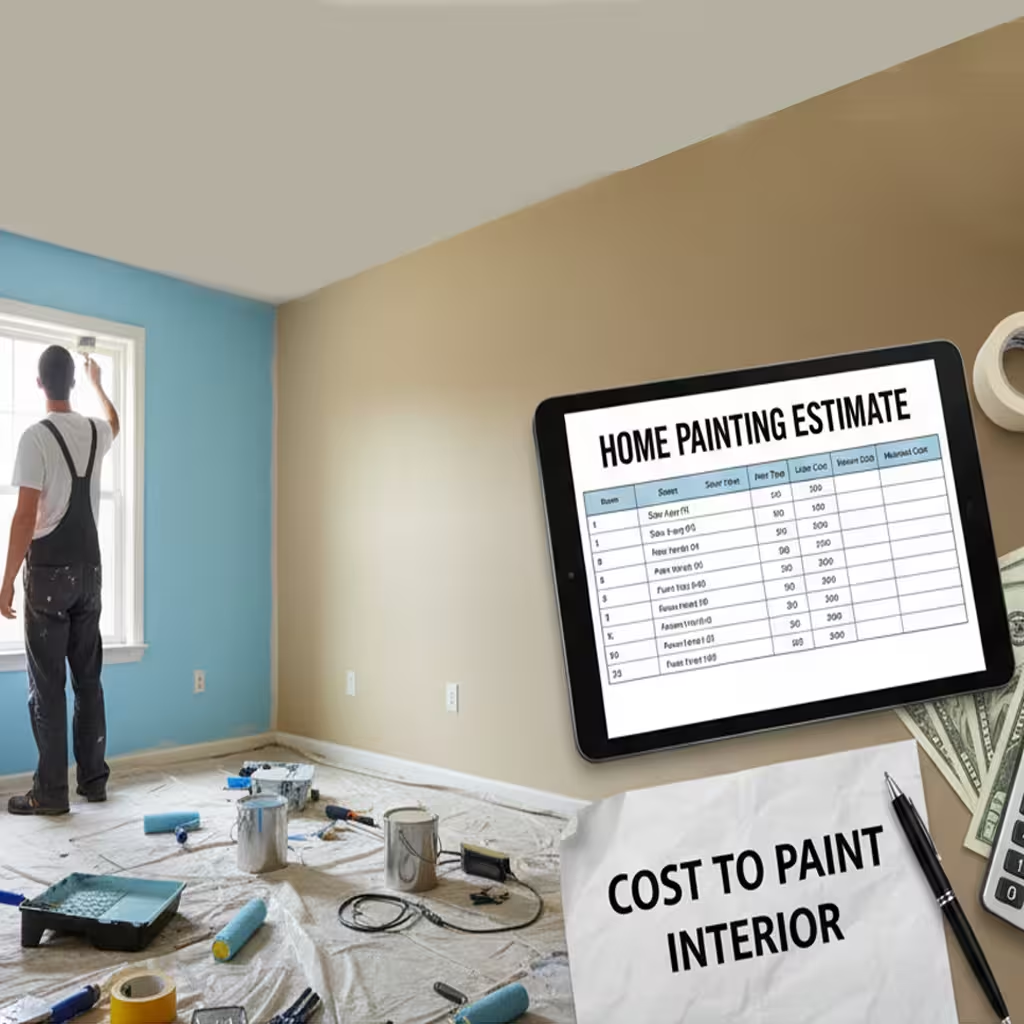
Homeowners often ask about the average painting cost during planning stages. Therefore, comprehending the cost to paint interior of house helps create a realistic budget. Interior painting costs depend on room size, paint quality, and labour needs. Knowing these details helps homeowners avoid stress and unexpected expenses.
Average Cost to Paint the Interior of the House
Painting your home interior improves comfort, beauty, and long-term property value. Therefore, many homeowners want precise details about the cost to paint a house before starting. Interior house painting refreshes walls, protects surfaces, and supports smart home improvement goals. However, the cost of painting a house often varies due to size, materials, and labor. This guide explains pricing, room costs, and savings practically and simply.
National Average Interior Painting Costs:
Across the country, interior house painting prices follow steady market patterns. Most homeowners spend a reasonable amount when hiring residential painting services. Therefore, national averages help estimate the cost to paint a house accurately. However, local labor rates and supply prices still influence final totals.
Typical Price Range Per Home:
The cost of painting a house relies on layout, number of rooms, and surface condition. Smaller homes usually fall on the lower end of pricing ranges. Larger homes require more labor and paint, which increases costs. Therefore, homeowners should expect flexible pricing based on project scope.
Cost Crack-up by Square Foot:
Painters often calculate estimates using the Painting cost per square foot for accuracy. Therefore, this method helps homeowners compare quotes fairly. Interior pricing usually stays lower than the cost to paint the exterior of the house. However, ceiling height and wall condition still affect square foot rates.
Factors That Affect Interior House Painting Costs:
Several elements influence the final cost to paint the interior of house projects. Therefore, awareness of these factors helps homeowners control budgets and make informed choices.
Size of the Home:
Larger homes require more paint, time, and labor. Therefore, size remains the most significant factor affecting the cost to paint a house. More square footage always increases the total painting expense.
Number of Rooms and Ceilings:
Homes with many rooms require extra cutting and rolling work. Ceilings increase effort and paint usage significantly. Therefore, the room count directly impacts the cost of painting a house.
Paint Quality and Type:
Paint quality affects durability, appearance, and coverage strength. Higher quality paint costs more but needs fewer coats. Therefore, paint choice directly affects the cost to paint the interior of the house. Paint finish options like matte, satin, or gloss also influence pricing.
Labor Costs and Location:
Labor costs vary based on city, region, and painter experience. Professional painter rates increase in high-demand areas. Therefore, location plays a significant role in the cost to paint a house. Residential painting services adjust pricing based on local markets.
Surface Condition and Preparation:
Damaged walls require repairs before painting begins. Cracks, stains, and holes increase preparation time and labor. Therefore, surface condition affects the final cost of painting a house. The primer application also adds material and labor expenses.
Cost to Paint Interior by Room Type:
Each room has unique painting requirements and challenges. Therefore, room type helps estimate the cost to paint the interior of the house areas more accurately.
Living Room and Dining Room:
Living rooms often have larger walls and higher ceilings. Therefore, these rooms usually increase the cost to paint a house. Dining rooms need detailed edging and smooth finishes, which adds labor time.
Bedroom Painting Costs:
Bedrooms usually cost less because they contain fewer fixtures. However, room size and closet walls still affect pricing. Therefore, bedroom painting keeps the cost of painting a house manageable.
Kitchen and Bathroom Painting Costs:
Kitchens require durable paint that resists stains and moisture. Bathrooms need special coatings to handle humidity. Therefore, these rooms often increase the Painting cost per square foot. Extra surface repairs also raise labor needs.
Hallways and Staircases:
Hallways include narrow areas that slow down painting progress. Staircases require ladders and added safety measures. Therefore, these spaces raise the cost to paint the interior of house projects.
DIY vs Professional Interior Painting Costs
Many homeowners compare DIY options with professional services. Therefore, understanding both approaches helps balance the budget and results.
DIY Interior Painting Expenses:
DIY interior painting reduces labor expenses but increases time investment. Homeowners still pay for paint, tools, and supplies. Mistakes may increase the cost to paint a house over time. Therefore, DIY suits small and simple projects best.
Professional Painter Pricing:
Professional painters deliver fast results with clean finishes. Their pricing includes labor, tools, and surface preparation. Therefore, professional services provide long-term value despite higher upfront costs. They also calculate the Painting cost per square foot accurately.
Pros and Cons of Hiring a Professional:
Professionals save time and reduce project stress significantly. However, professional services increase the cost of painting a house initially. DIY saves money but demands skill and patience. Therefore, homeowners should choose based on experience and budget.
How to Save Money on Interior House Painting
Thoughtful planning helps reduce the cost of painting the interior of the house. Therefore, simple strategies can lead to meaningful savings.
Choosing Budget-Friendly Paint:
Mid-range paint offers reliable quality at fair prices. Therefore, avoid both very cheap and premium options. Proper paint finish selection also reduces future repaint needs and lowers the cost to paint a house.
Doing Prep Work Yourself:
Homeowners can complete basic wall preparation tasks independently. Filling holes and cleaning walls saves labor costs. Therefore, DIY preparation lowers the overall cost of painting a house.
Getting Multiple Painting Quotes:
Always request several quotes from residential painting services. Comparing prices reveals fair labor costs clearly. Therefore, quotes help reduce the cost to paint a house through a brilliant selection.
Timing Your Painting Project:
Painters often offer discounts during slower seasons. Therefore, schedule projects during the fall or winter months. Proper timing reduces the cost to paint the exterior of the house and interior projects significantly.
Interior house painting improves comfort, style, and home value effectively. Understanding pricing factors helps homeowners plan with confidence. Therefore, knowing the cost to paint a house prevents budget surprises and supports better decisions.