
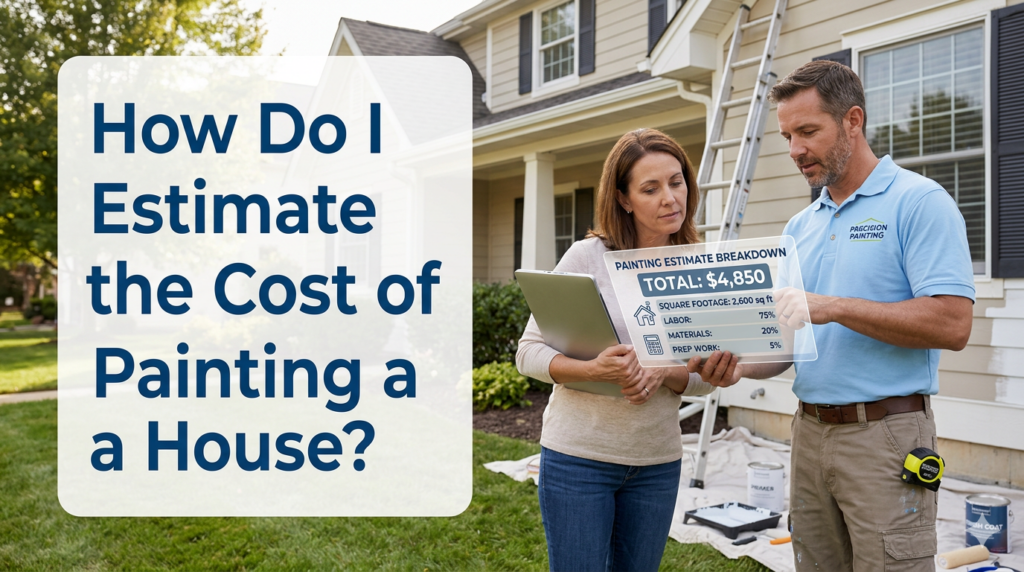
How Do I Estimate the Cost of Painting a House?
If you’re planning a home makeover, one of the first questions that comes to mind is, “How much does it cost to paint a house?” Whether you’re refreshing a single room or updating your entire exterior, understanding the full scope of expenses helps you create a realistic budget. This comprehensive house painting price guide walks you through every major factor involved, so you can confidently estimate house painting cost and avoid surprises. From materials and labor to preparation and repairs, knowing the true cost to paint a house ensures you make informed decisions. Many homeowners also rely on a painting cost calculator to simplify the planning process and get a quick ballpark figure before requesting quotes.
The Key Factors That Affect Painting Costs:
Several variables influence the final price of your project. Assessing these elements carefully will help you produce a more accurate estimate Cost of Painting a House.
Size and Square Footage of the Home:
The biggest factor in determining the cost to paint a house is its size. A larger home requires more materials and labor. Performing a proper square footage calculation is essential to determine how much paint you’ll need and how long the job may take. Contractors typically base their quotes on total paintable area rather than overall home size, so wall dimensions matter more than lot size. When estimating Cost of Painting a House, measure each wall’s height and width, multiply them together, and add the totals. The larger the paintable surface, the higher the expense.
Interior vs. Exterior Painting:
Interior and exterior projects differ significantly in complexity and pricing. Interior painting costs per square foot are usually lower than exterior work because exterior jobs require weather-resistant paint, additional safety measures, and sometimes scaffolding.
On the other hand, exterior house painting costs often include power washing, scraping, sanding, and protective coatings. Climate exposure also affects paint choice and longevity, potentially increasing material costs.
Surface Condition and Repairs Needed:
Before any paint is applied, proper surface preparation is critical. Cracks, holes, peeling paint, mold, or water damage must be repaired first. Extensive prep work increases labor time and material costs.
Older homes typically require more sanding, patching, and possibly full primer application to ensure proper adhesion and uniform coverage.
Type and Quality of Paint:
Paint quality dramatically impacts durability and finish. The cost of paint per gallon varies widely depending on brand and formulation. Premium paints may cost more upfront, but often require fewer coats and last longer. Another key consideration is paint coverage per gallon, which determines how much area one gallon can cover. Higher-quality paint usually offers better coverage, reducing overall consumption.
Labor Costs in Your Area:
Labor is often the largest portion of the cost to paint a house. Professional crews typically charge by the hour or by the square foot. Regional differences in demand and living costs significantly influence professional painter rates. If you live in a high-cost metropolitan area, expect rates to be higher compared to rural regions.
How to Measure Your House for an Accurate Estimate:
Accurate measurements are the foundation of a reliable estimate.
Calculating Wall Square Footage:
Start with a complete square footage calculation of all paintable surfaces. Multiply each wall’s height by its width, then add the totals. Don’t forget hallways, closets, and stairwells. This step is essential if you’re using a Cost of Painting a House calculator to project expenses.
Subtracting Windows and Doors:
Next, subtract the space occupied by windows and doors. While many contractors use rough approximations, precise adjustments help you estimate house painting costs more accurately.
Estimating Paint Quantity Needed:
Once total wall space is calculated, divide by the average paint coverage per gallon listed on the product label. Most paints cover around 350–400 square feet per gallon, though this varies by surface texture and color change. If drastic color changes are involved, plan for additional primer application and possibly an extra coat.
Using Online Paint Calculators:
A digital Cost of Painting a House calculator can simplify this process. By entering dimensions and project details, you’ll get a quick estimate for materials and labor. While these tools provide helpful projections, they may not account for repairs or speciality finishes included in a detailed house painting price guide.
Breaking Down the Cost Components:
Do you know about, ‘’where your money goes helps you budget wisely.’’
Cost of Paint and Primer:
Material expenses begin with paint and primer. The cost of paint per gallon typically ranges from $25 to $70 or more, depending on quality. If a full primer application is necessary, that adds to material costs.
When calculating the cost to paint a house, remember that most projects require at least two coats for even coverage.
Supplies (Brushes, Rollers, Tape, Drop Cloths):
DIY painters must purchase brushes, rollers, trays, painter’s tape, and drop cloths. These items can add $100–$300 to your total DIY house painting cost, depending on project size.
Equipment Rentals (Scaffolding, Sprayers):
Cost of Painting a House for Exterior projects may require ladders, scaffolding, or paint sprayers. Rental fees vary, increasing the overall exterior house painting cost if specialized equipment is needed.
Professional Labor Charges:
For those hiring professionals, labor often accounts for 60–70% of the total project. Professional painter rates typically range between $20 and $60 per hour, depending on expertise and region. Always request itemized quotes to clearly understand the cost to paint a house.
DIY vs. Hiring a Professional Painter
Choosing between DIY and hiring experts significantly impacts budget and results.
- Average DIY Costs: The average DIY house painting cost mainly includes paint, primer, and supplies. While you save on labor cost per hour, you invest your own time and effort. For smaller interior projects, DIY can substantially reduce your overall painting costs.
- Average Professional Painting Rates: Professionals often charge per square foot or by total project scope. Interior painting costs per square foot may range from $2 to $6, while exterior house painting costs can range from $1.50 to $4 per square foot, depending on condition and height.
- Pros and Cons of DIY: DIY saves money but requires skill, time, and proper surface preparation. Mistakes may lead to uneven finishes or premature peeling, increasing long-term costs.
- When Hiring a Pro Is Worth It: Hiring a professional is ideal for multi-story exteriors, intricate trim work, or when extensive primer application and repairs are required. In complex cases, paying higher professional painter rates ensures durability and safety.
Additional Costs to Consider:
Beyond basic materials and labor, other factors can affect your final budget.
Prep Work and Repairs:
Extensive surface preparation, such as drywall repair, wood replacement, or mold remediation, increases total expenses. These services may be billed separately from standard painting.
Trim, Doors, and Ceilings:
Painting trim, ceilings, and doors requires additional materials and labor. These details can significantly affect the cost per square foot of interior painting.
Accent Walls and Custom Finishes:
Specialty finishes, textured paints, or accent walls require extra time and precision. Decorative techniques may increase your overall house painting price guide projections.
Permits or HOA Requirements:
In some neighborhoods, permits or HOA approval may be required for exterior color changes. These administrative requirements can affect the cost of painting a house when planning your project.
Final Thoughts:
Accurately planning your project starts with understanding the variables that determine the cost to paint a house. By evaluating square footage, materials, labor, and prep work, you can confidently estimate the cost of house painting and build a realistic budget. Whether you use a painting cost calculator or consult a contractor, following a detailed house painting price guide ensures you’re prepared for every expense. With careful planning and informed decisions, you’ll know exactly how much it costs to paint a house and can move forward with confidence.