
You’re preparing to list your home. The staging is done, the clutter is cleared, and you’re reviewing your to-do list. One question keeps surfacing: does painting increase home value enough to justify the cost?
The short answer is yes — but the details matter enormously. Not every paint job delivers the same return, and knowing which projects to prioritize (and which to skip) can mean the difference between recouping your investment and overspending before the sale.
In this guide, we break down the ROI of painting a house from every angle: exterior vs. interior, DIY vs. professional, which rooms matter most, and how to calculate whether the numbers make sense for your property.
Why Paint Is One of the Highest-ROI Home Improvements
Before diving into numbers, it’s worth understanding why paint delivers such strong returns compared to other renovation projects.
Unlike a kitchen remodel or bathroom addition — which can cost tens of thousands of dollars and take weeks to complete — painting is fast, relatively inexpensive, and produces an immediate, visible transformation. Buyers make emotional decisions within seconds of seeing a home. Paint is one of the fastest ways to influence that first impression.
According to a report by the National Association of Realtors (NAR), interior painting ranks among the top projects for cost recovery when selling a home. Exterior painting consistently ranks even higher, with some estimates putting the return between 51% and 107% depending on market, condition, and color choices.
That’s not a typo. In some scenarios, a strategic exterior paint job can return more than you spent in the form of increased sale price.
The ROI of Painting a House: Breaking Down the Numbers
Exterior Painting ROI
The exterior of your home is the first thing every buyer sees — online listing photos, drive-bys, and in person. A fresh coat of exterior paint signals one thing to a buyer’s brain: this home has been cared for.
- Average cost: $1,800–$4,500 for a professional exterior paint job on a typical single-family home
- Average value added: $5,000–$12,000 in appraised value or buyer willingness to pay
- Estimated ROI: 51%–107%
These numbers vary widely based on:
- The current condition of your existing paint (peeling paint hurts value more than no paint)
- Your neighborhood’s price range (higher-value markets see larger absolute returns)
- Color selection (neutral, on-trend colors outperform personal or dated choices)
Want to know what a professional exterior paint job would cost for your specific property? Use our Exterior Painting Cost Calculator to get an instant estimate.
Interior Painting ROI
Interior painting has a slightly lower but still meaningful ROI, primarily because its impact on buyers is more subliminal — it signals cleanliness, modernity, and move-in readiness.
- Average cost: $1,000–$3,000 for a full interior paint job (3–4 bedroom home)
- Average value added: $1,500–$5,000 in perceived value or faster sale
- Estimated ROI: 50%–107% depending on condition and color
The key distinction with interior painting is that it reduces friction in the sale process. Buyers who see dirty, scuffed, or outdated wall colors mentally add a repaint to their post-purchase to-do list — and they discount their offer accordingly. A neutral, freshly painted interior removes that mental deduction entirely.
Curious about your full cost to paint a house? We cover both interior and exterior pricing in detail.
Which Rooms Have the Highest ROI When Painting?
Not all interior rooms deliver the same return. If you’re working with a limited budget, prioritize strategically.
1. The Front Door and Entryway
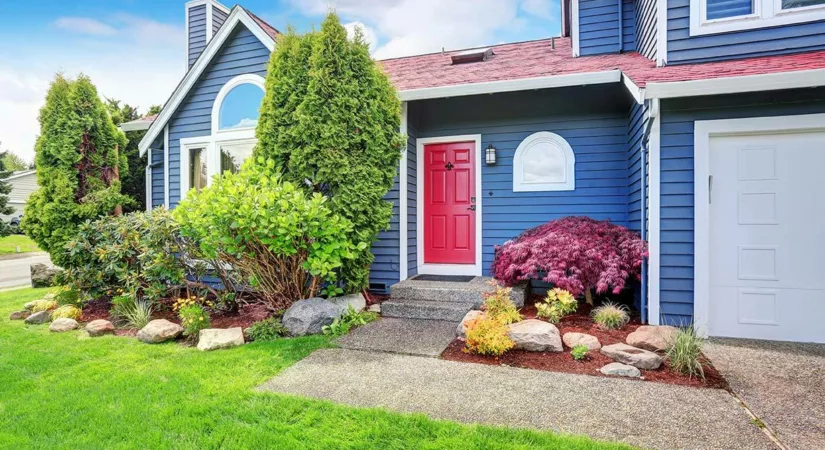
Your front door is arguably the highest-ROI single surface you can paint. A bold, welcoming front door color — think navy, forest green, or deep red on a neutral home — creates immediate curb appeal and photographs beautifully for online listings.
- Cost: $50–$200 for a professional front door repaint
- Impact: Outsized — buyers form impressions in seconds
2. The Living Room
This is the room buyers spend the most time in during showings. It sets the emotional tone for the entire home. Light, neutral tones — warm whites, greiges, and soft grays — photograph well and feel spacious.
3. The Kitchen (Walls and Cabinets)
Kitchen cabinet painting has exploded in popularity as a cost-effective alternative to full cabinet replacement. Painting dated oak or builder-grade cabinets a clean white or sage green can make a kitchen feel like a full renovation for a fraction of the cost.
Cabinet painting ROI: Often cited as one of the best-performing cosmetic improvements before a sale.
4. The Primary Bedroom
Buyers visualize themselves living in the primary bedroom more than any other room. Soft, calming tones — muted blues, warm whites, dusty sage — create an aspirational feel.
5. Bathrooms
Bathrooms are frequently repainted before sales because they’re small, quick to complete, and dramatically transformed by a fresh coat. Spa-like tones and crisp whites help bathrooms feel clean and updated.
What Color Should You Paint Before Selling?
Color psychology is real, and in real estate, it directly affects sale price. A landmark Zillow study analyzed over 135,000 home sales and found that homes with certain paint colors sold for more — or less — than comparable homes.
| Surface / Room | Color Recommendation | Estimated Impact |
| Blue-gray exterior | Warm greige, sage, navy | +$3,496 avg. sale price |
| Bathroom walls | Light blue / pale gray | +$5,440 avg. sale price |
| Kitchen walls | Neutral whites, greige | Avoids $820 avg. discount |
| Interior walls | Agreeable Gray, White Dove | Maximizes perceived space |
| Cabinets | Swiss Coffee, Alabaster | Modern, move-in ready feel |
| Front door | Navy, forest green, deep red | Strong curb appeal signal |
The takeaway: paint color isn’t a cosmetic afterthought. The right palette can add thousands to your sale price; the wrong one can cost you just as much.
DIY vs. Professional Painting: Which Maximizes ROI?
This is one of the most common questions homeowners ask when calculating the ROI of painting a house.
DIY Painting
- Uneven coverage and visible roller marks reduce perceived quality
- Brush marks around trim signal amateur work to buyers and inspectors
- Poor prep (skipping priming, failing to fill holes) leads to peeling within months
- A DIY paint job that looks DIY can actually hurt perceived home value
Professional Painting
Professional painting costs more but delivers a cleaner result that photographs better, holds up to buyer scrutiny, and signals quality throughout the home. For pre-sale painting, professional work almost always wins on ROI because the goal isn’t just coverage — it’s presentation.
The bottom line: If you’re painting before selling, hire a professional. The cost difference between DIY and pro is typically $800–$2,500, and the return on a polished, flawless paint job far exceeds that gap.
When Painting Doesn’t Increase Home Value
It’s equally important to know when a paint project won’t pay off:
- You’re in a seller’s market with low inventory — high demand means buyers compete regardless of cosmetic condition
- The rest of the home is significantly dated — paint can’t overcome cracked ceilings, worn flooring, or outdated fixtures
- You choose highly personalized colors — buyers will deduct repainting costs from their offers
- The paint job is low quality — a rushed paint job signals carelessness and raises red flags about maintenance
How to Calculate the ROI of Painting Your House
Here’s a simple framework to determine whether a paint project makes financial sense:
- Get a professional quote for the painting project
- Ask your real estate agent what comparable homes sell for — painted vs. unpainted
- Subtract the paint cost from the estimated value added
- If the number is positive, the project makes financial sense
Example: Professional exterior paint quote: $3,200 | Estimated value increase: $7,500 | Net return: $4,300 | ROI: 134%
Use our cost to paint a house guide and Exterior Painting Cost Calculator to build your estimate.
What Real Estate Agents Say About Painting Before Selling
“A freshly painted home — especially the exterior — signals to buyers that the home has been well-maintained. It removes objections before they form. I always recommend it to sellers who have the time and budget.”
“Interior paint is the single cheapest thing a seller can do to make a home feel move-in ready. Buyers hate the idea of painting before they can enjoy their new home. Take that off their plate.”
“The ROI on a professional paint job before listing is almost always positive in our market. I’ve seen $2,500 paint jobs contribute to $15,000+ over asking.”
Frequently Asked Questions
Does painting the exterior of a house increase its value?
Yes. Exterior painting is consistently one of the highest-ROI pre-sale improvements, with returns ranging from 51% to over 100% in many markets. A clean, modern exterior color signals maintenance, boosts curb appeal, and photographs well for online listings.
How much value does interior painting add to a home?
Interior painting typically adds between $1,500 and $5,000 in perceived buyer value, depending on condition, color choice, and market. Its primary impact is reducing buyer hesitation and making a home feel move-in ready.
What paint colors increase home value the most?
Neutral, widely appealing tones consistently outperform bold or personalized colors. Warm whites, greiges, and soft grays for interiors; sage green, navy, and warm greige for exteriors perform best according to Zillow’s research.
Is it worth painting a house before selling it?
In most cases, yes — especially if the current paint is faded, peeling, or dated. The cost of a professional paint job is typically recovered in full through a higher sale price or faster closing timeline.
Does DIY painting increase home value as much as professional painting?
Not typically. For pre-sale painting, professional quality is essential. Buyers and their agents notice amateur finishes, which can signal poor maintenance rather than quality upkeep.
Final Verdict: Paint Before You Sell
The data is clear: painting your house — strategically, professionally, and with buyer-friendly color choices — is one of the highest-ROI investments you can make before listing.
For most sellers, the combination of a fresh exterior with a neutral, move-in ready interior creates the kind of first impression that attracts more buyers, generates stronger offers, and reduces time on market.
Start by getting accurate cost estimates. Use our Exterior Painting Cost Calculator and cost to paint a house guide to understand exactly what you’ll spend — so you can calculate exactly what you’ll gain.
| Ready to Get Started? Find a Professional Painter on Middler.com Today |