
What Factors Affect the Cost of Painting a House?
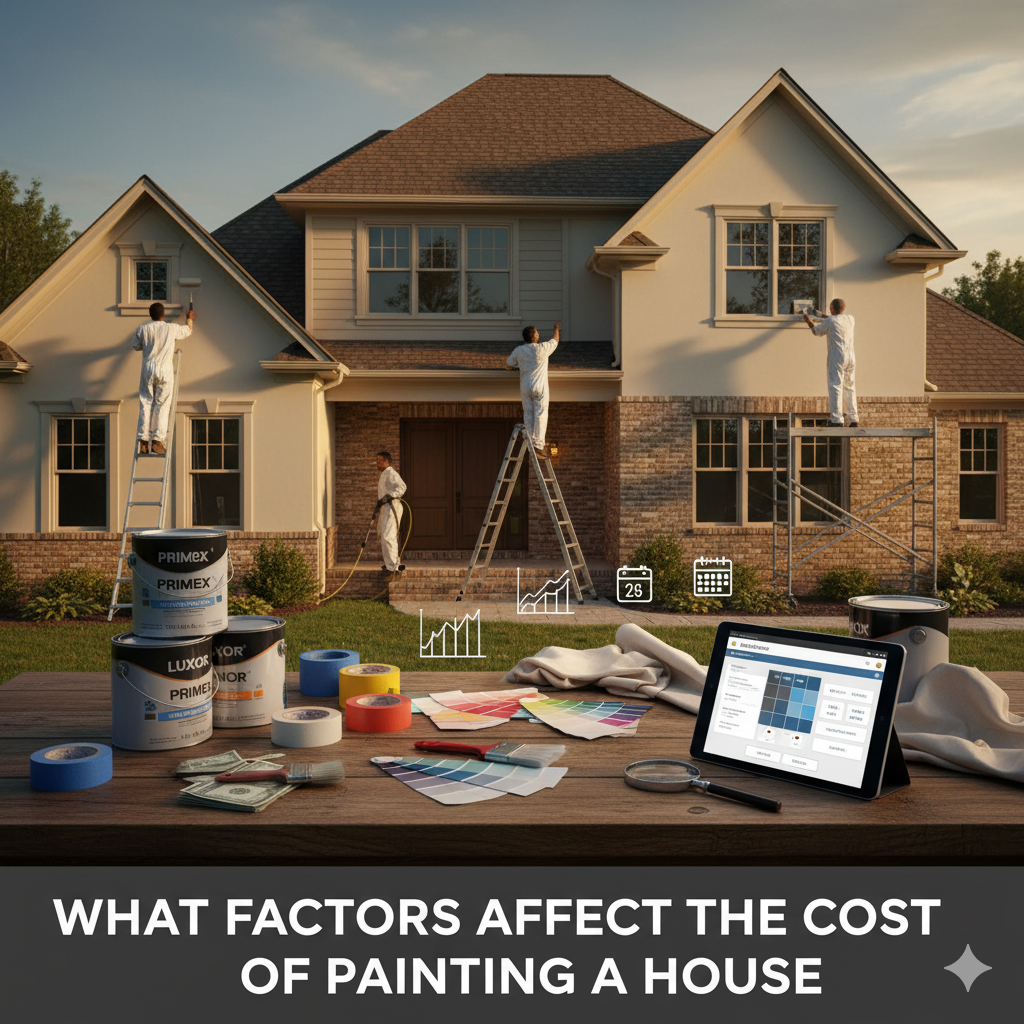
A fresh coat of paint can completely transform the way a home feels. It can make rooms brighter, exteriors sharper, and spaces feel new again. But before choosing colours or finishes, most homeowners ask the same question. “How much is this going to cost of painting?” The truth is, cost of painting are not one-size-fits-all. Two houses that look similar from the outside can have very different price tags. That’s because several key factors influence how much you’ll ultimately pay. If you’re planning to paint your home and want realistic expectations, this guide breaks everything down in plain language.Just the fundamental factors that affect the cost of painting a house and why they matter.
How Much Does It Cost to Paint a House on Average?
Most homeowners spend between $3,000 and $8,000 cost of painting a house. Smaller homes or partial projects can cost less. Larger homes, older properties, or detailed work can cost significantly more. Online tools like a paint cost calculator or a quick house paint estimate cost tool can give you a starting range, but the final price depends on details unique to your home. Let’s look at what actually drives those numbers.
1. The Size of Your Home
This is the most obvious factor, and it’s usually where painters start.
Larger homes require:
- More paint
- More labor hours
- More preparation
Painters often calculate costs by square footage. That includes wall space, ceilings, trim, and exterior surfaces.
Why does it affect cost:
More square footage means more materials and more time. Homes with high ceilings, stairwells, or open layouts can increase costs even further.
What to consider:
Measure your home accurately. A rough estimate helps, but professional measurements ensure pricing is realistic from the start.
2. Interior vs Exterior Painting
Interior and exterior painting are priced differently. Exterior painting usually costs more because it includes:
- Weather exposure
- Power washing
- Ladder or scaffold work
- Specialized exterior paint
Interior painting tends to be less expensive, but the number of rooms, ceilings, and trim details can add up quickly.
Why does it affect cost:
Exterior jobs require more preparation and safety measures. Interior jobs require more detail work and a room-by-room setup.
3. Condition of the Surfaces
Not all walls are ready for paint. Cracks, peeling paint, stains, water damage, or old nail holes all require prep work before painting can begin.
Why does it affect cost:
Get ready work takes time. Patching, sanding, caulking, and priming add labor hours and materials.
What to consider:
Skipping prep may lower the quote, but it often leads to poor results and repainting sooner than expected.
4. Type and Quality of Paint
Paint choice plays a bigger role than most homeowners realise. Lower-cost paint may need more coats and wear out faster. Higher-quality paint costs more upfront but usually lasts longer and looks better.
Why does it affect cost:
Premium paint covers better, resists fading, and holds up to cleaning. Speciality paints, low-VOC options, or weather-resistant coatings also affect price.
What to consider:
A higher-quality paint can reduce the number of coats needed and extend the life of your paint job.
5. Number of Coats Required
One coat is rarely enough. Dark colours, bold shades, or colour changes usually require two or three coats. Covering a dark wall with a light colour often takes extra work.
Why does it affect cost:
Each coat adds labor time and paint usage.
What to consider:
Primer can reduce the number of finish coats needed and improve durability.
6. Labor Costs and Experience
Labor is one of the most significant portions of a painting quote. Professional painters charge based on:
- Experience
- Skill level
- Job complexity
- Local labor rates
Why does it affect cost:
More experienced painters may charge more, but they often work faster and produce better results.
What to consider:
The cheapest quote is not always the best value. Quality, reliability, and warranty matter.
7. Location and Local Market
Where you live has a significant impact on painting costs. Urban areas and regions with higher costs of living usually have higher labor rates. Rural areas may be less expensive but have fewer available contractors.
Why does it affect cost:
Labor availability, demand, and local business costs all influence pricing.
What to consider:
Get multiple local quotes to understand what’s normal in your area.
8. Accessibility and Layout of the Home
Some homes are harder to paint. High ceilings, narrow staircases, vaulted rooms, or multi-story exteriors require special equipment and extra setup time.
Why does it affect cost:
Ladders, scaffolding, and safety measures slow the process and increase labour.
What to consider:
Point out challenging areas during estimates so there are no surprises later.
9. Trim, Doors, and Detail Work
Walls are only part of the job. Baseboards, crown molding, doors, cabinets, and window trim all add detail and time.
Why does it affect cost:
Detail work requires precision and careful preparation.
What to consider:
Decide early which surfaces you want painted to avoid change orders.
10. Furniture Moving and Room Preparation
Rooms need to be cleared or protected before painting begins. Some painters include furniture moving in their quote. Others charge extra.
Why does it affect cost:
Moving furniture safely takes time and labor.
What to consider:
You can save money by moving smaller items yourself before the job starts.
DIY Painting vs Hiring a Professional
Many homeowners consider doing it themselves to save money. DIY painting can work for small rooms or simple projects. Full-house painting is a different story.
DIY pros:
- Lower upfront cost
- Flexible schedule
DIY cons:
- Time-consuming
- Risk of mistakes
- Uneven finishes
Professional painters offer speed, consistency, and warranties. For large projects, the difference is noticeable.
Why Online Estimates Are Only a Starting Point
Tools like a paint cost calculator are helpful for planning. They provide rough ranges based on averages.
But they cannot see:
- Wall damage
- Layout challenges
- Paint condition
- Local labor rates
A professional, in-person house paint estimate cost is the most accurate way to budget.
Common Mistakes That Increase Cost of Painting
Homeowners often run into trouble by:
- Choosing the lowest bid without details
- Skipping prep work
- Not reviewing what’s included
- Making color changes mid-project
Clear communication upfront prevents surprise costs.
How to Get an Accurate Painting Estimate
A reliable estimate should include:
- Scope of work
- Prep details
- Paint brand and finish
- Number of coats
- Timeline
- Cleanup and warranty
If something isn’t listed, ask.
Final Thoughts:
Painting a house is an investment in comfort, appearance, and long-term value. The final cost of painting isn’t just about paint. It’s about preparation, labor, quality materials, and doing the job right the first time. Understanding these factors helps you plan smarter, compare quotes confidently, and avoid costly surprises.
If you’re using a paint cost calculator, treat it as a guide, not a guarantee. And when reviewing a house paint estimate cost, focus on value, not just the final number. What part of the painting process are you most unsure about right now?