
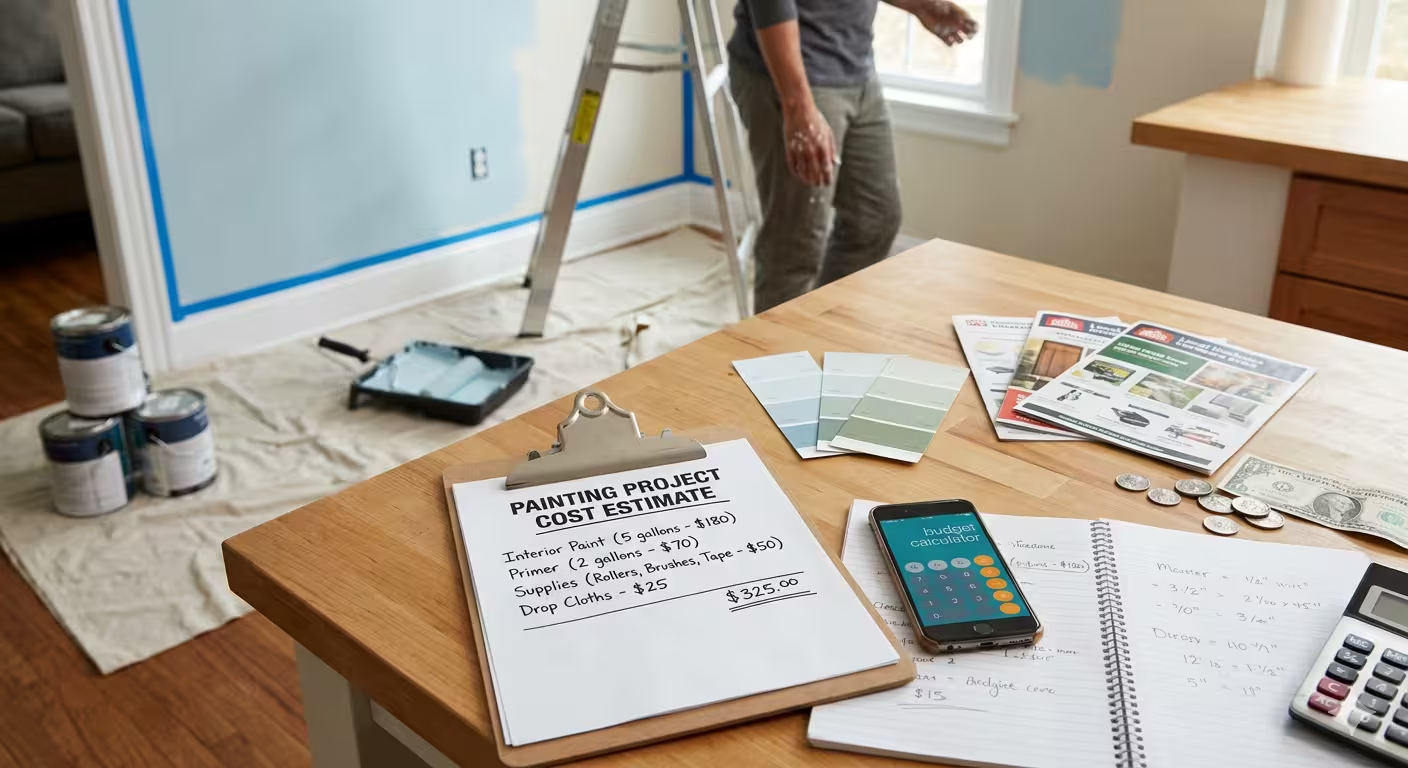
The painting project cost is essential before starting any home improvement job. Whether you’re refreshing a bedroom or repainting your entire property, knowing the expected house painting cost helps you budget wisely and avoid surprises. In this detailed guide, we’ll discuss average pricing, cost factors, and smart ways to manage your total cost to paint a house while maintaining high quality.
What Is the Average Cost of a Painting Project?
We’re going to explain to you the average cost of a painting project, so for further details
National Average Cost Ranges:
The average cost of a painting project in the United States typically ranges from $2,000 to $6,000 for a full home interior. For exterior projects, the cost of house painting often falls between $3,000 and $8,000, depending on the size and condition of the house. According to data HomeAdvisor frequently cites, most homeowners spend about $4,000 on a complete residential repaint. When estimating the total cost to paint a house, factors like square footage and labor rates play major roles.
Cost Per Square Foot:
One of the most common pricing methods is painting cost per square foot. Interior painting typically ranges from $2 to $6 per square foot, while exterior projects average $1.50 to $4 per square foot. This metric helps homeowners more easily compare residential painting prices across contractors. The painting cost per square foot also helps you calculate a rough home painting estimate before contacting professionals.
Interior vs. Exterior Pricing Differences:
The interior painting cost is generally lower than the exterior painting cost due to easier access and fewer weather-related challenges. Exterior jobs require ladders, scaffolding, and weather-resistant paints, which increase the overall cost of the painting project. As a result, exterior painting costs often exceed interior painting costs, even for homes of similar size.
Key Factors That Affect Painting Costs:
- Size and Square Footage: The larger your home, the higher the cost of house painting. A 1,500-square-foot home will naturally cost less than a 3,000-square-foot property. Total surface area significantly impacts the cost of your painting project.
- Surface Condition and Prep Work: Cracked drywall, peeling paint, or water damage will increase your interior or exterior painting costs. Extensive preparation can add hundreds, or even thousands, to the cost of painting a house.
- Paint Quality and Brand: Premium brands like Sherwin-Williams, Benjamin Moore, and Behr offer high-quality products that cost more upfront but provide better durability. Choosing premium paint can raise your painting project cost, but it may reduce long-term maintenance expenses.
- Labor Costs in Your Area: Local professional painter rates vary widely by region. Urban areas tend to have higher residential painting prices than rural areas. Labor often accounts for 60–70% of the total cost of house painting.
- Number of Coats Required: Dark-to-light colour changes or covering stains often require multiple coats. More coats directly increase the cost of interior painting and the overall painting project cost.
Interior Painting Costs Breakdown:
The interior painting cost varies depending on room size, surface condition, and the level of detail involved in walls, ceilings, and trim work. The full interior painting cost breakdown helps homeowners plan an accurate budget and avoid unexpected expenses.
Walls, Ceilings, and Trim:
Painting walls is the largest component of interior painting cost. Ceilings and trim require more detailed work, increasing labor time. The average cost to paint a room ranges from $300 to $800, depending on the size and level of detail. For a full interior repaint, your total house painting cost depends on the number of rooms included.
Bedrooms and Living Rooms:
Bedrooms are usually straightforward, making the cost to paint a room more affordable. Living rooms with higher ceilings and larger wall areas increase the overall cost of the painting project.
The total interior painting cost for multiple rooms can add up quickly if trim and accent walls are included.
Kitchens and Bathrooms:
Kitchens and bathrooms often cost more because they require moisture-resistant paint. This can slightly increase the cost of interior painting compared to other rooms. Because of cabinetry and tight spaces, the cost to paint a room in these areas may exceed average estimates.
Cabinets and Built-Ins:
Cabinet painting is labor-intensive and significantly affects your total painting project cost. Specialized primers and finishes increase both materials and labor expenses, raising the overall house painting cost.
Exterior Painting Costs Breakdown:
- Siding Types (Wood, Brick, Vinyl, Stucco): Different materials affect the cost of exterior painting. Wood siding requires more prep work, while brick and stucco may need special coatings. Vinyl siding can be less expensive, reducing overall painting costs. Material choice plays a large role in total residential painting prices.
- Trim, Doors, and Windows: Detailed trim work increases labor hours and impacts the total house painting cost. Decorative features can significantly raise your exterior painting cost.
- Garage Doors and Fences: Adding fences or garage doors increases your overall painting project cost. These additional surfaces should be included in your home painting estimate.
- Multi-Story Homes: Two- and three-story homes require scaffolding and additional safety measures. This increases professional painter rates, resulting in a higher exterior painting cost.
Additional Costs to Consider:
- Repairs and Patchwork: Surface repairs increase the overall cost of the painting project. Damaged siding or drywall must be fixed before painting begins.
- Priming and Specialty Coatings: Primers and speciality coatings can increase your interior or exterior painting costs, especially when covering stains or transitioning between dark and light colors.
- Lead Paint Removal: Older homes may require lead paint remediation, significantly increasing the cost to paint a house.
- Permits (If Required): In some areas, permits may be required for exterior renovations, which can slightly increase the total cost of house painting.
DIY vs. Hiring a Professional Painter:
DIY projects lower labor expenses but still require purchasing paint and supplies. While you may reduce your painting project cost, quality differences can impact long-term durability. Ladders, sprayers, and scaffolding rentals increase your personal painting project cost, even without labor fees.
DIY projects demand significant time. The perceived savings on professional painter rates may not justify weeks of effort. Hiring professionals ensures accurate home painting estimate calculations, faster completion, and higher-quality results. Although professional painters increase upfront expenses, they often prevent costly mistakes.
How to Get an Accurate Painting Estimate:
- Measuring Square Footage: Accurate measurements help calculate painting cost per square foot and create a reliable home painting estimate.
- Requesting Multiple Quotes: Comparing several quotes helps you evaluate residential painting prices and determine fair professional painter rates in your area.
- Questions to Ask Contractors: Ask about the prep work, materials, and warranty coverage to better understand your house painting cost.
- Written Contract Details: Always request a detailed written contract outlining the full cost of the painting project, the timeline, and the payment schedule.
Ways to Save Money on Your Painting Project:
- Choosing Off-Season Scheduling: Booking during slower months can reduce professional painter rates, lowering your total painting project cost.
- Bundling Rooms: Painting multiple rooms at once may reduce the overall interior painting cost compared to individual projects.
- Providing Your Own Paint: Purchasing paint yourself can reduce residential painting prices, especially if you find discounts on premium brands.
- Simple Color Selections: Using fewer colors and avoiding complex designs reduces labor time, lowering the overall cost to paint a house.
Final Thoughts
Your total painting project cost depends on size, condition, materials, and labor. Understanding the average house painting cost, calculating painting cost per square foot, and reviewing accurate home painting estimate options can help you plan effectively. Whether focusing on interior or exterior painting costs, being informed helps you stay within budget while achieving professional-quality results.