
Top 10 Painting Tools Every Homeowner Should Own
Without the proper tools, painting your home can quickly become frustrating, messy, and tedious. While skill matters, quality tools ensure a professional look. The right equipment helps complete your project faster and with smoother results.
Whether you’re painting a single room or tackling a full renovation, using top-quality painting tools guarantees accuracy, speed, and lasting results. This guide reveals the ten best tools for homeowners to paint efficiently, achieve superior results, and paint smarter. Let’s get started!
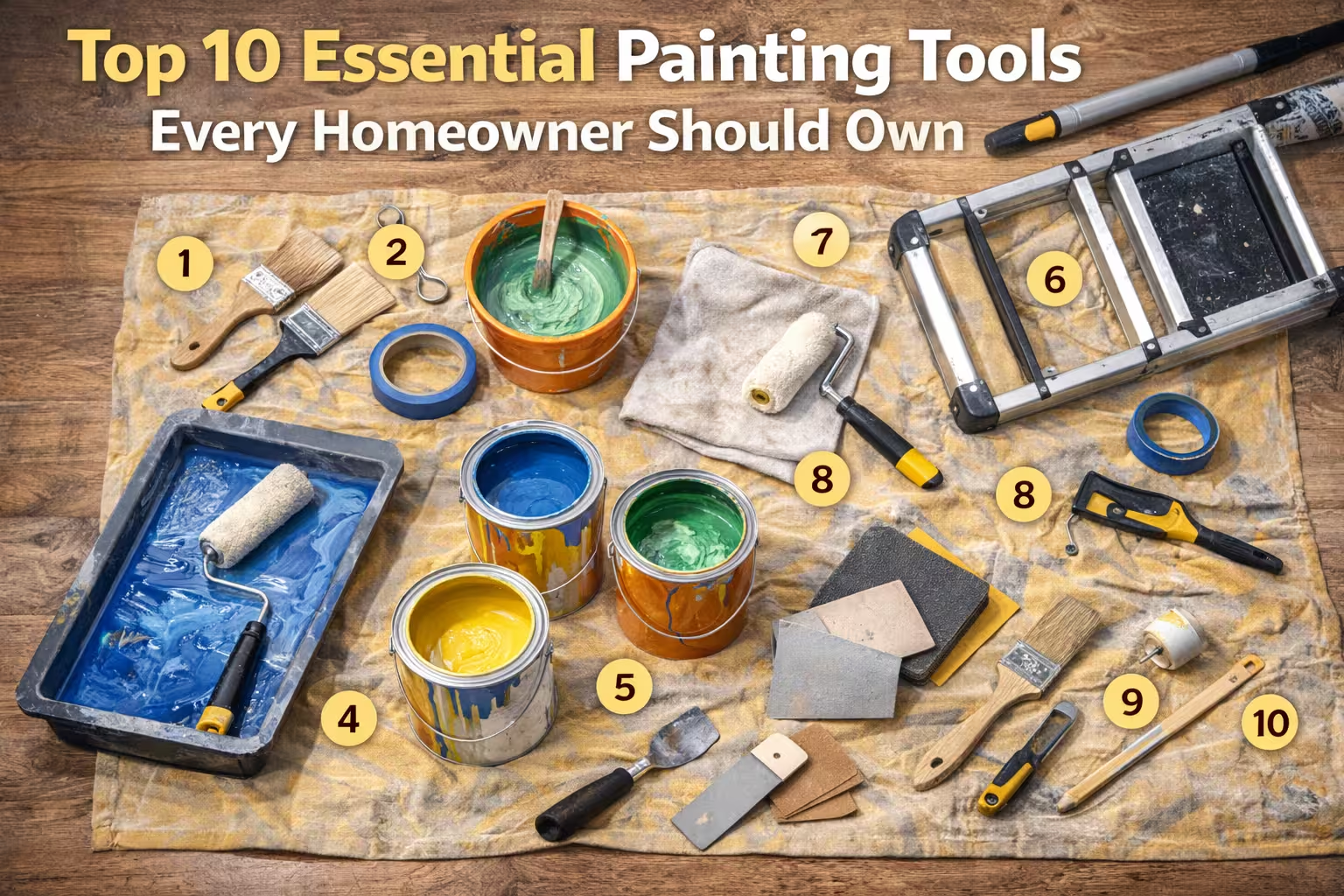
Tools You Need to Paint
The 10 essential tools for painting projects include everything from premium paint brushes to canvas drop cloths:
1. Paint brushes
Brushes are indispensable in your painting toolkit. Use them for detailed work on corners, trims, and moldings.
There are three types of brushes:
- Angled brushes can be used to cut in corners, ceilings and edges.
- Flat brushes work best on surfaces that are wide and straight.
- The Sash Brush is perfect for door frames, window frames and trims.
Synthetic brushes go well with paints that are water-based, but natural-bristle brushes will work better for paints that use oil. The use of high-quality paint brushes results in a uniform application with minimal bristle shed and a smooth finished.
2. Paint Rollers
Rollers speed up painting walls and ceilings. They are more effective than brushes for broad coverage.
Guide for Roller Selection:
- 1/4″ – 3/8″ nap: New drywall in bedrooms and living rooms.
- 1/2″ nap: Walls with a light texture.
- 3/4″+ nap: The rough surface, the textured ceiling, or the popcorn ceilings.
Rolling screens can be used to reduce waste by distributing paint evenly. Mini rollers can be used for baseboards, doors, and furniture.
3. Paint tray and pail
The tray will keep the roller and brush in place while keeping them from spilling. Cleanup is quick and simple with tray liners. The paint pail can be used to carry small quantities of paint in the home, even when ladders are being used.
Magnet trays and pails that have handles are great for transporting paint or brushes.
4. Painter’s Tape
Painter’s Tape ensures crisp lines, stops accidental paint bleeding, and provides protection for trim, floors, and windows. By protecting larger areas such as furniture and flooring, pre-taped plastic painter can reduce prep time.
Pro Tip: To achieve perfect separation of paint, remove the tape while it is still wet. Cheap masking tape may cause paint or residue to leak underneath.
5. Drop Cloths
Drop cloths will protect your surfaces against spills, drips and splatters. Canvas is durable, recyclable, and non-slippery, while disposable plastic is lightweight. You can use paper or felt for craft or small-scale touch-ups. Use carpet protection film on sensitive flooring to add convenience. It is flat, lightly adhesive and resistant to spills. Cover nearby furniture, outdoor plants and other items before painting your exterior walls.
6. Ladders and Extension Poles
A ladder is essential when painting exterior walls or ceilings that are high.
The types of ladders are:
- Stepladders: They are non-adjustable and suitable for ceilings as high as 20 feet.
- Straight ladders: These ladders an reach 30 feet, but must be at an angle of 75 degrees with stable surfaces.
- Extension ladders: These can be adjusted to reach up to 60 feet.
By using extension poles, you can easily reach areas that are high without climbing up ladders. This reduces fatigue and increases safety. Pick poles with ergonomic grips and locking mechanisms.
A chair is not a substitute for a stepladder. Safety comes first.
7. Sanding Tools and Putty Knives
For a long-lasting, smooth finish, it is important to prepare the surface properly. The use of sanding sponges and blocks can be used to remove old paint or imperfections. Putty knives are useful for filling small cracks and holes. They can also be used to scrape away loose paint. The multi-purpose painter’s tool has several uses: smoothing out, opening cans and pulling nails. Investing 10-15 minutes in repair and sanding greatly improves your wall’s final appearance.
8. Caulking Guns
You can seal gaps and cracks with a caulking gun before you paint. When caulking is done correctly, it prevents paint from seeping, moisture damage, uneven surfaces, and other problems.
The types of Caulking Guns are:
- Manual: Easy to operate and inexpensive.
- Pneumatic: The application is made easier by using an air compressor.
- Battery powered: Ideal for longer projects with less effort.
Pick exterior caulk if you are using it outdoors. Choose paintable caulk if your project is indoors.
9. Squeegees And Edgers
Tools like edgers or squeegees can transform the look of a room. The squeegee smooths out newly applied paint over large, flat surfaces. This eliminates brush or roller markings. Edgers are used to paint precisely along window frames, baseboards, or trim without having to rely on tape. For a perfect, streak-free shine on metal or glossy surfaces, use squeegees.
10. Paint Sprayers
They are ideal for large projects or whenever you need a professional finish fast. DIYers can buy electric, gas, or battery-powered sprayers. Ready the sprayer by covering nearby surfaces and removing objects you don’t want painted. Use a smaller, more affordable sprayer to tackle indoor jobs before upgrading your equipment.
Read Also: Paint Sprayer vs. Roller: Which Saves More Paint and Time?
Best Paint Tips for efficient painting:
- Create a Starter Kit: For the beginner, you can start by purchasing an angled or flat brush, rollers with medium nap, a paint tray and liner with painter’s tape and a dropcloth. Upgrade your tools as the project becomes more complex.
- Spend money on quality: Buying cheap tools may save money, but can cause streaks and paint waste. High-quality tools offer greater durability, a smoother finish, and superior coverage.
- Get your estimates: Before purchasing supplies, it is also wise to estimate your budget accurately. A paint cost calculator helps you determine how much paint and material you need based on room size, reducing waste and preventing unnecessary overspending.
Final Thoughts
With quality tools, painting is faster, easier, and more satisfying. The ten must-have tools for DIY projects, such as brushes, rollers, sprayers, ladders, and prep materials, to ensure efficiency, precision, and a professional outcome for any project, from a small room to an entire house.
You can make any home improvement task more enjoyable by combining quality tools with smart preparation.